Expected
Identify the route, stop, vehicle, schedule and responsible team.
 School & Campus Operations
A late bus needs more than a position on a map. Your team needs a reason, a responsible person and a clear next update. Connect route context to the people who own that response.
Your separately ordered BCO transport integration brings the selected vehicle-location (GPS) or staff status updates, delay review, backup responsibility and approved communication into one operating plan—configured, tested and accepted before your agreed launch.
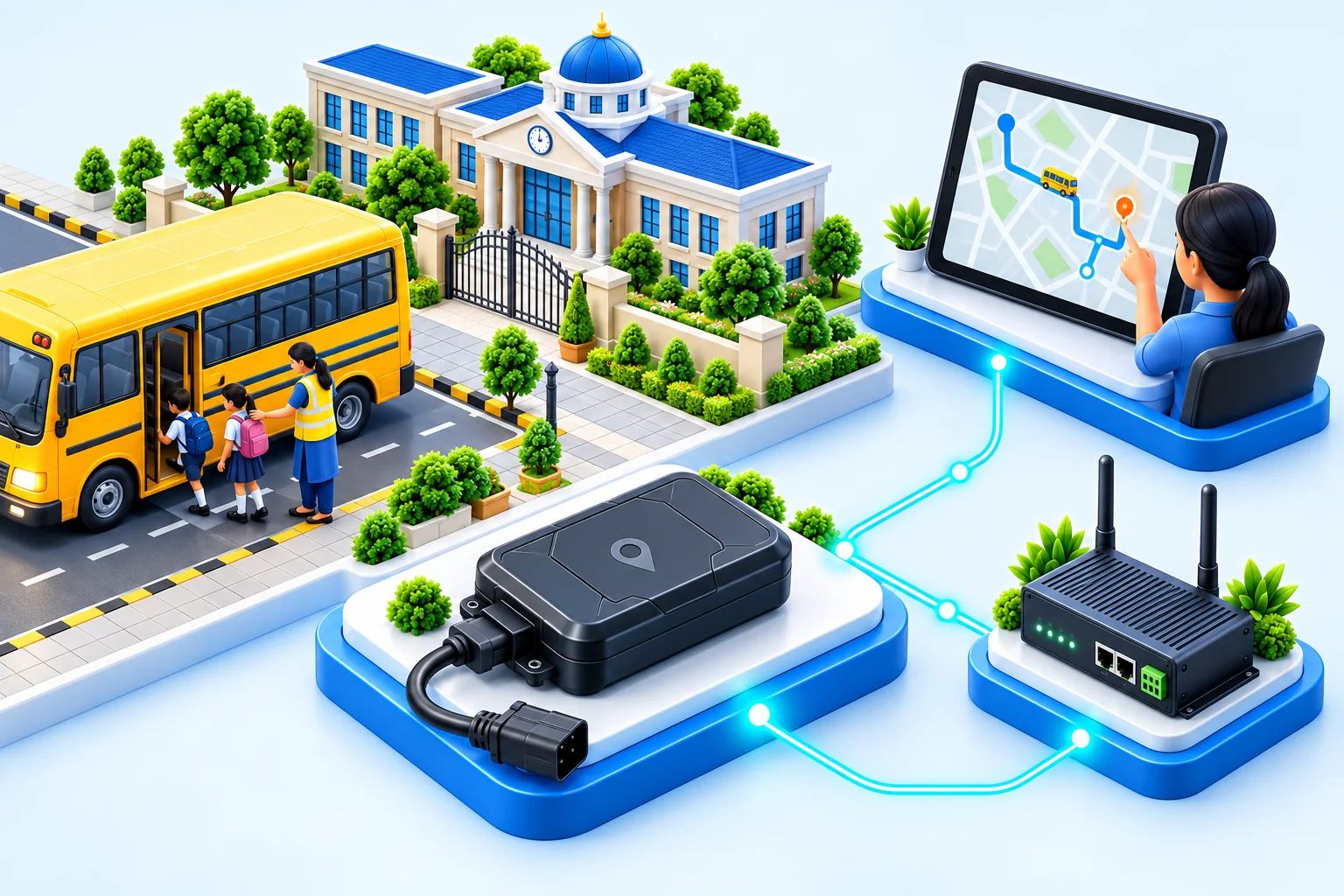
Give the team a shared sequence: what was expected, what happened, who is checking and what was communicated.
Identify the route, stop, vehicle, schedule and responsible team.
Receive the agreed vehicle-location updates or an authorised staff status update.
Distinguish a vehicle delay or route change from missing or out-of-date location data.
Assign an owner, capture the reason and prepare the next update.
Record the outcome and any delivery confirmation available from the selected messaging channel.
Problem
A blank map may mean a power, network or device failure—not a confirmed vehicle incident.
Check whether location updates have stopped separately from whether the bus is delayed. Assign a staff member to confirm the vehicle’s position through an agreed backup method.
Problem
Families receive a warning without a reason, a next update time or someone to contact.
After a staff member checks the situation, approve an update explaining what happened, who should receive it and the next step.
Problem
The vehicle arrives, but the unresolved status leaves another shift unsure what happened.
Record how the trip ended, who handled the issue and which messages were sent, using the agreed completion process.
The checks agreed for acceptance cover routine trips and difficult moments: out-of-date location updates, delayed vehicles, unavailable contacts and the next message.
Transport integration is commissioned separately from the base ERP subscription. Your proposal names the vehicle-location or staff update sources, supplier connections, messaging channels and included processes, with delivery stages and acceptance before the agreed launch.
Route alerts support institutional response; they do not replace driver, attendant or emergency responsibilities. Read the Connected Campus buyer questions.